In Her Presence

A Sacred Space
One of the founders of the world’s mystical traditions, the ancient priest Ezekiel wrote poetically about his spiritual visions and encounters with supernatural beings and forces. Casting aside traditional beliefs in patron deities protecting their homelands, Ezekiel argued that a singular spiritual presence inhabited the entirety of creation. In his visions, he reimagined the Ark as a heavenly chariot carrying the divine presence throughout the cosmos.
A Symbol of Freedom
A leader of his community in exile, Ezekiel envisioned a future restoration of freedom in a world without empires. Viewing human dignity and equality as universal principles, he used the imagery of a divine chariot to describe a world order promising freedom and peace to all. Embracing his mission as a “night watchman” for the dawn of a new era, he condemned the grasping divisiveness of traditional politics as a barren “valley of dry bones.” Only unity and a belief in higher purpose, he argued, could lead the world to a new era of peace.
In an Age of Emperors
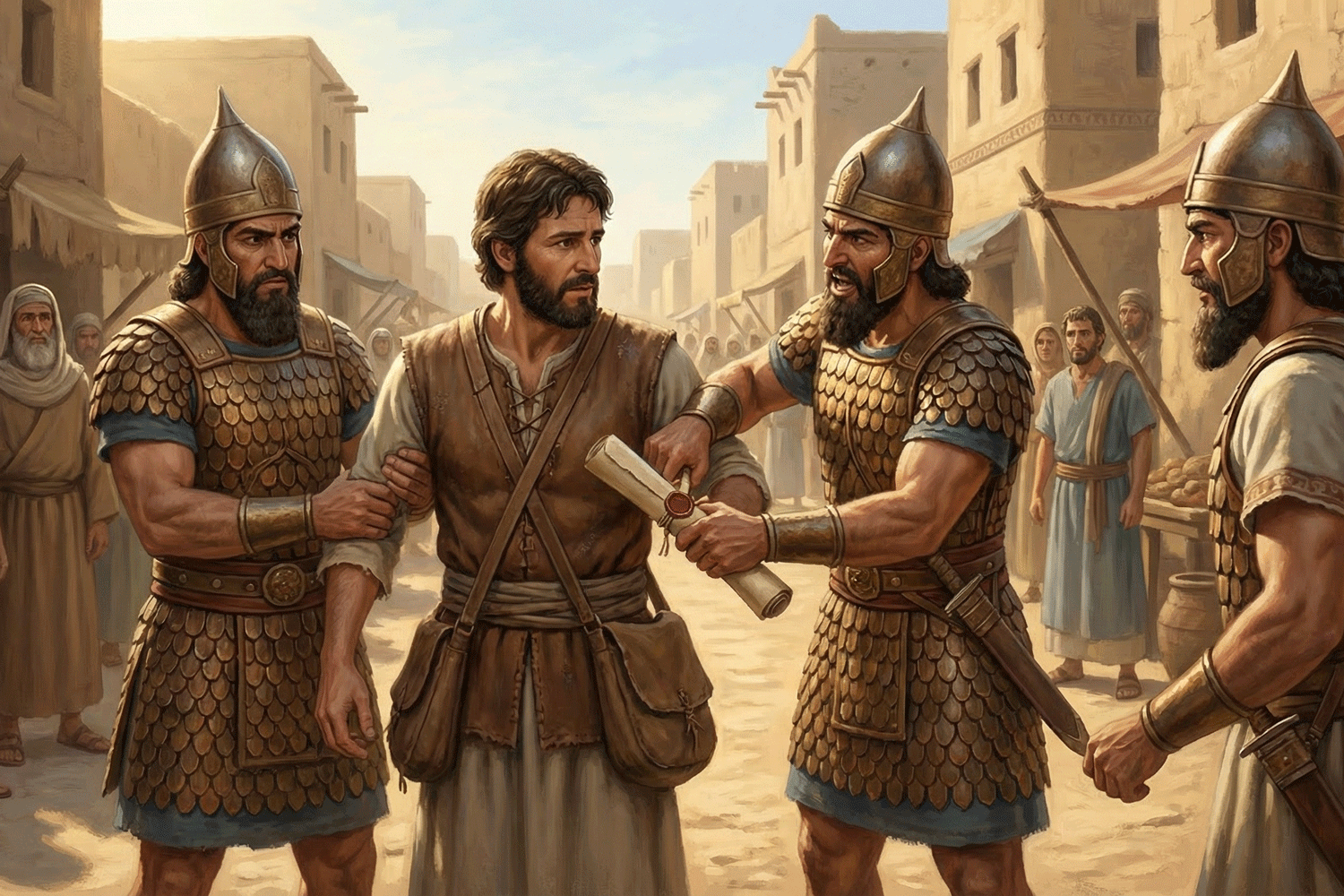
Ruling their vast empire through brute force and terror, the Babylonian elites viewed life as a struggle between absolute power and miserable servitude. Declaring violence and oppression to be the natural order of the universe, the imperial rulers embraced cruelty and torture as essential tools of power. To Ezekiel, though, the corrupt world of empires could never vanquish the power of freedom. The tyrannical elites would inevitably turn against each other in their insatiable lust for power and wealth.
Loss and Remembrance
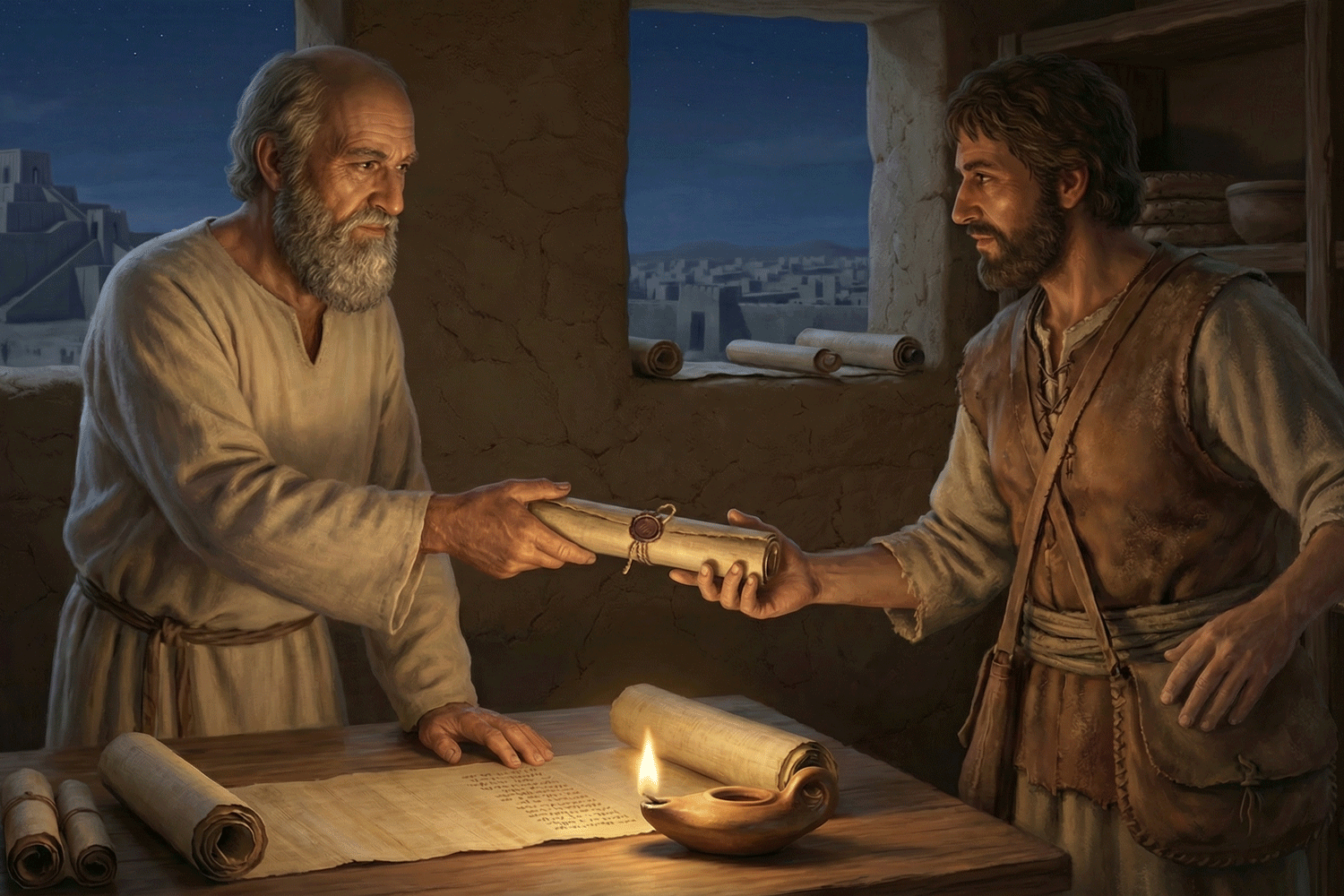
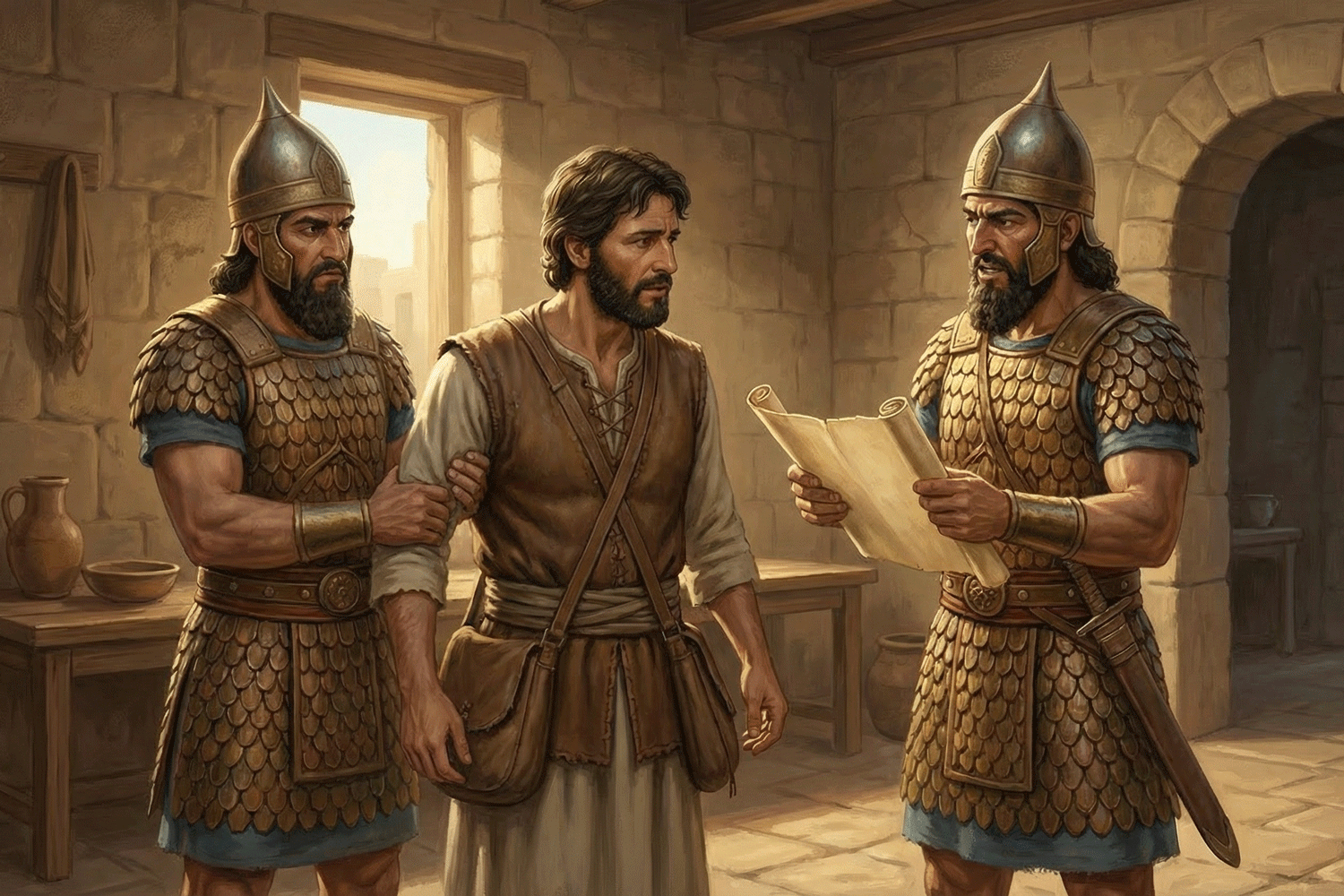
A master of poetic language, Ezekiel used his talents fully in the cause of freedom. Disguising his revolutionary rhetoric with symbolic imagery, he amassed a body of poetic writings that gave his people hope they might one day return to their homeland. Defying Babylon’s brutal rulers, he devised a secret biblical code to protect his most important writings against their network of spies and agents.